



M1
Passenger Cars
Up to eight passenger seats in addition to the driver, with no standing passenger space.


European Type Approval is the assessment of a vehicle, system, component or separate technical unit against the technical and administrative requirements of its applicable EU approval route. It addresses safety, environmental performance and production conformity within that regulatory scope.
One Approval, Whole-Market Access
Under the European Community Whole Vehicle Type Approval (ECWVTA) scheme, a vehicle design only has to pass the approval process once. The framework is currently set by Regulation (EU) 2018/858, which replaced the earlier Directive 2007/46/EC. When a single member state’s approval authority grants the certificate, the design is considered compliant across the entire Union.
Before mass production begins, manufacturers present prototype vehicles for a series of rigorous evaluations. These typically cover:
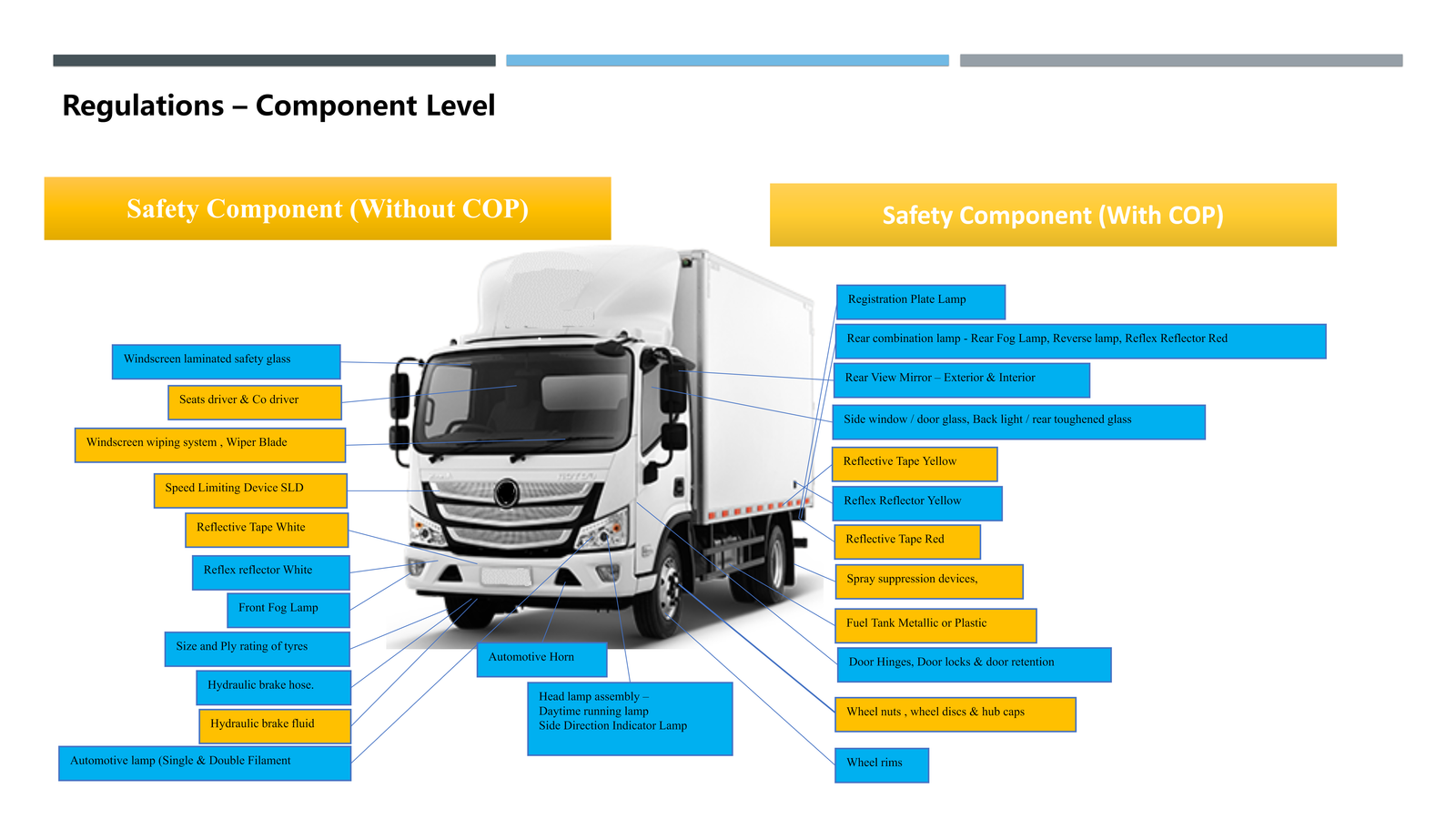
Approval doesn’t begin with the finished car. Individual components, such as seatbelts and brake pads, and larger systems, such as exhaust assemblies and lighting units, are each assessed and certified on their own. These separate approvals feed into the final certificate that covers the whole vehicle.

After a vehicle model is approved, the manufacturer issues a Certificate of Conformity with every single unit built. Think of it as the car’s official birth certificate: it states that the vehicle matches the approved type and allows registration authorities to process it quickly.
Approval of a prototype is only the starting point. Manufacturers must also prove they can build every vehicle to the same standard. Factory inspections and quality-control audits check that cars rolling off the line remain identical to the model that was originally tested and approved.
Since the reforms that followed the Dieselgate scandal, regulators have stronger powers to check vehicles already on the road. Authorities run their own independent tests, and non-compliant vehicles can lead to penalties of up to €30,000 per vehicle, or to compulsory recalls.

EU whole-vehicle type approval supports recognition across EU Member States for the approved type. National small-series and individual approvals have their own scope and recognition procedures.
Before mass production begins, manufacturers present prototype vehicles for a series of rigorous evaluations. These typically cover:

Braking performance
Crash protection and occupant safety
Lighting and signalling systems
Electronic stability control
Noise level limits
Exhaust emissions, including Real Driving Emissions (RDE) testing

Since the reforms that followed the Dieselgate scandal, regulators have stronger powers to check vehicles already on the road. Authorities run their own independent tests, and non-compliant vehicles can lead to penalties of up to €30,000 per vehicle, or to compulsory recalls.
The UNECE 1958 Agreement provides for UN vehicle regulations and mutual recognition between contracting parties applying the relevant regulation. UN approval markings use an uppercase E; EU component and separate-technical-unit approval markings use a lowercase e.


ATS Poland has applied to NSAI for Designation as a Technical Service – Categories A & B
ATS Poland is seeking Technical Service designation from the National Standards Authority of Ireland (NSAI). The requested designation and its regulatory scope are subject to authority approval.
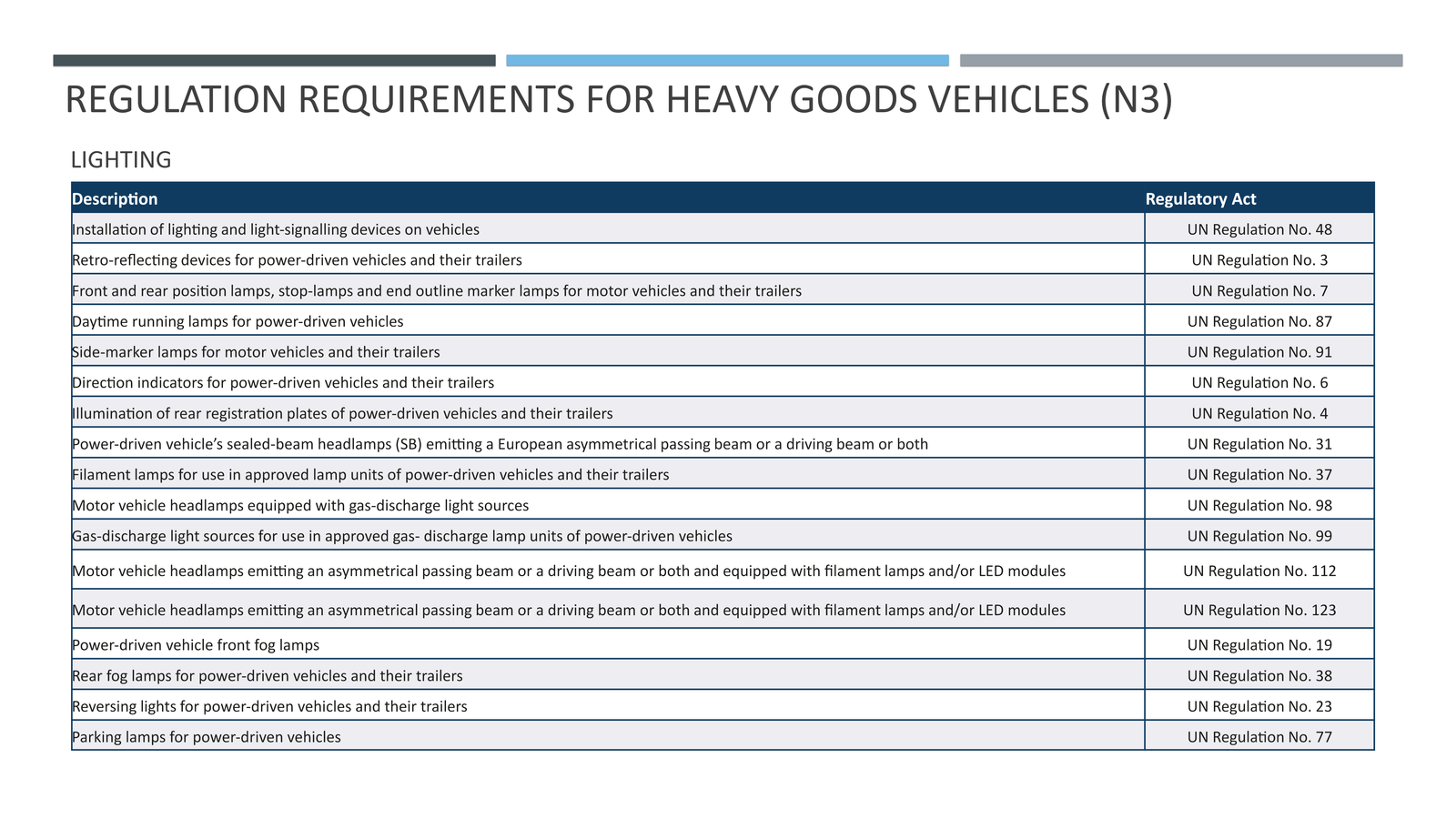
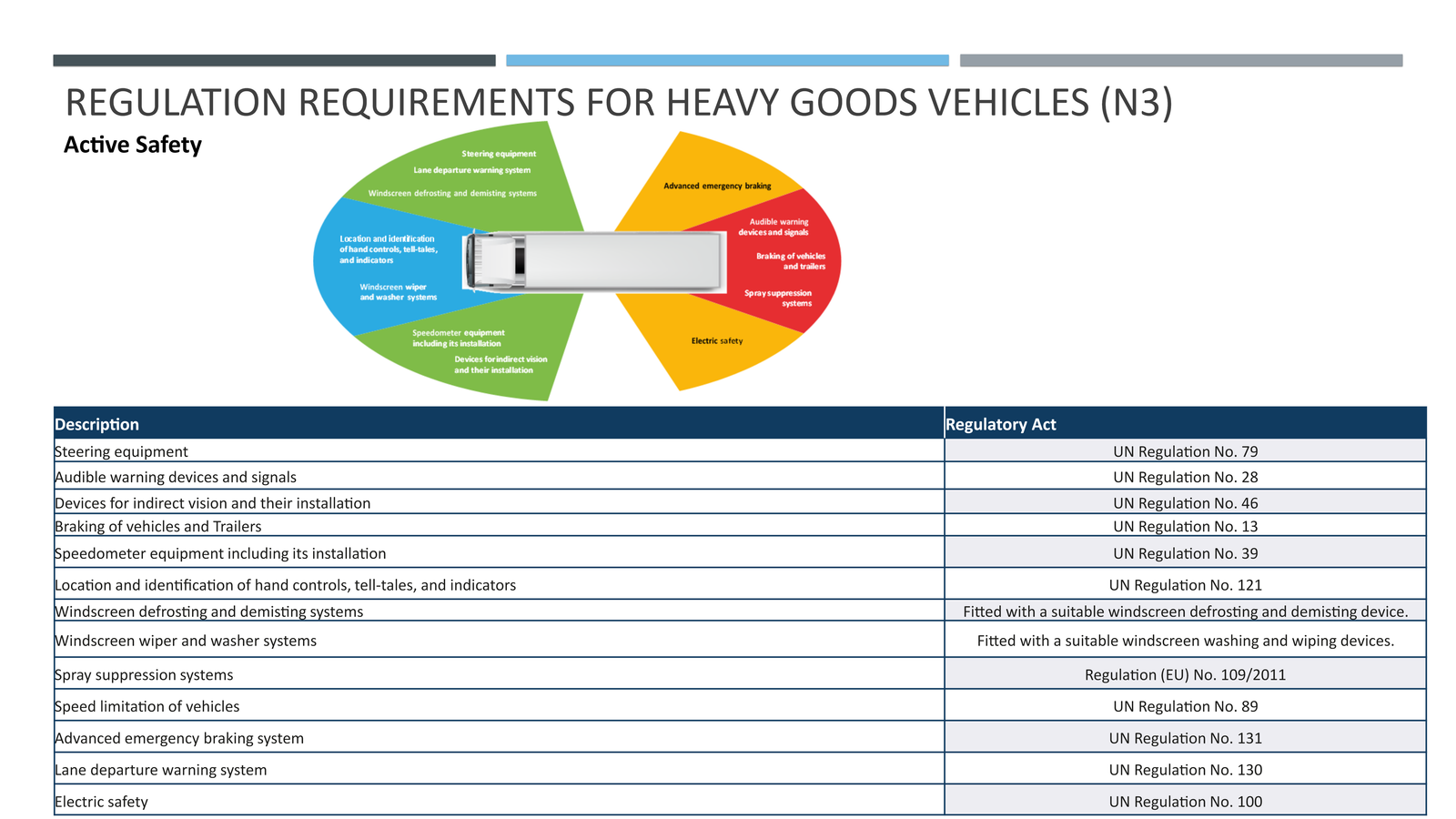
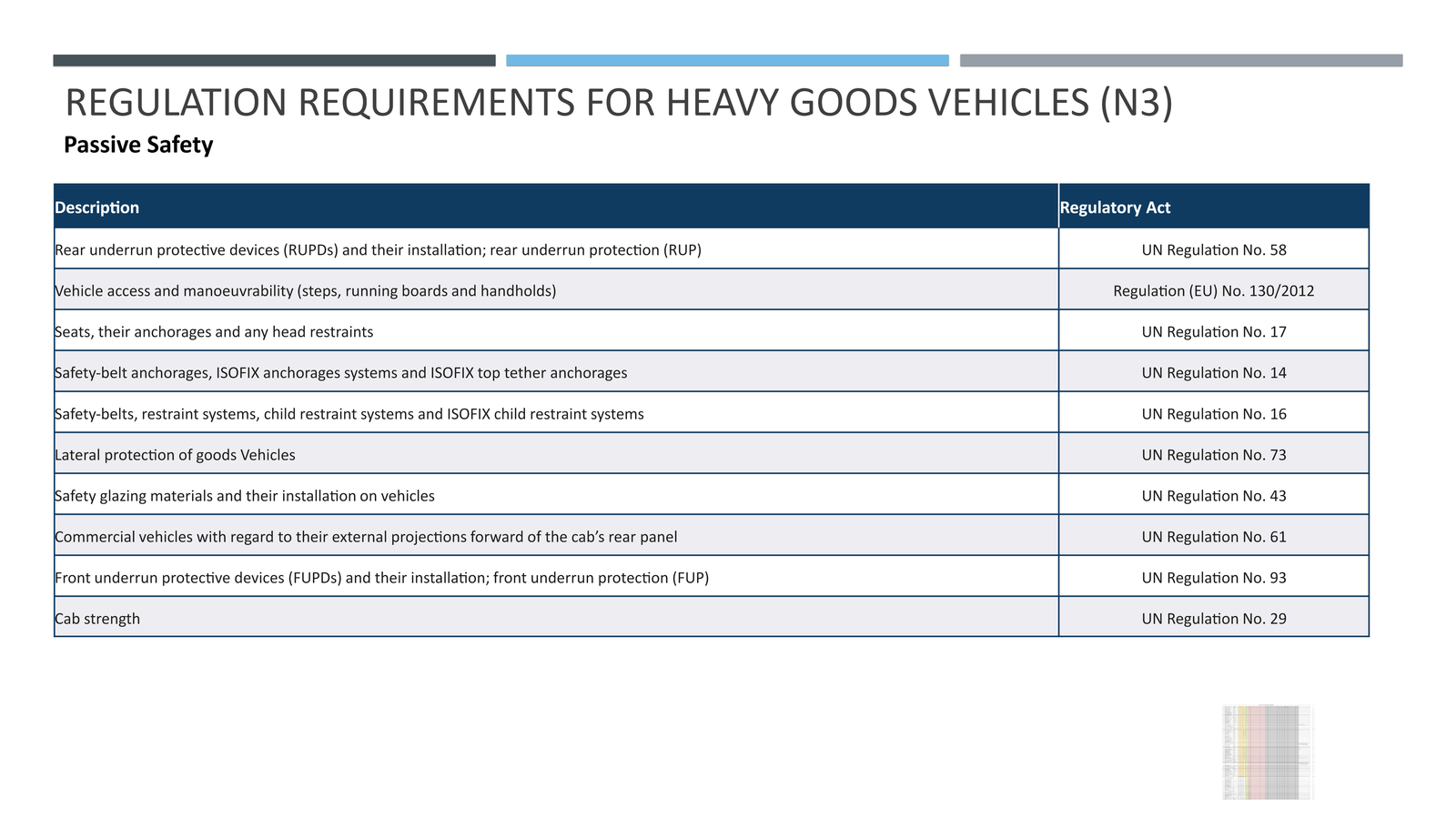
Below is a small summary of the main Regulations under which ATS Poland is able to carry out test and inspection activities, also for the purpose of obtaining the Certificate of Approval.
Regulation (EU) 2018/858 has applied since 1 September 2020. It sets the framework for approval and market surveillance of motor vehicles, trailers, systems, components and separate technical units.
CATEGORY M: Motor vehicles designed and constructed primarily for the carriage of persons and their luggage.
CATEGORY N: Motor vehicles intended primarily for carrying goods.
CATEGORY O: Trailers, classified by their maximum mass.
Regulation (EU) No 168/2013 sets the approval and market-surveillance framework for two- and three-wheel vehicles and quadricycles, including functional safety and environmental requirements.
CATEGORY L: Mopeds and motorbikes, as well as all-terrain vehicles (quads) and other small vehicles with 3 or 4 wheels.
The Regulation (EU) No 167/2013 lays down rules on safety and environmental protection as well as administrative procedures for the type-approval of tractors and other agricultural and forestry vehicles.
CATEGORY T: Wheeled agricultural and forestry tractors.
CATEGORY C: Track-laying tractors using continuous tracks or a combination of wheels and tracks.
CATEGORY R: Agricultural trailers, Each trailer categories is also marked with the index “a” or “b”, depending on the design speed.
CATEGORY S: Interchangeable towed equipment for agricultural or forestry use.
Regulation (eu) 2016/1628 of the european parliament and of the council of 14 september 2016 on requirements relating to gaseous and particulate pollutant emission limits and type-approval for internal combustion engines for non-road mobile machinery, amending regulations (eu) no 1024/2012 and (eu) no 167/2013, and amending and repealing directive 97/68/ec (text with eea relevance).
CATEGORY NRMM: Compared to road vehicles, NRMM covers a very wide variety of machinery typically used off the road in many ways. It comprises, for example small gardening and handheld equipment (lawn mowers, chainsaws, etc.) construction machinery (excavators, loaders, bulldozers, etc.) agricultural & farming machinery (harvesters, cultivators, etc.) even railcars, locomotives and inland waterway vessels.
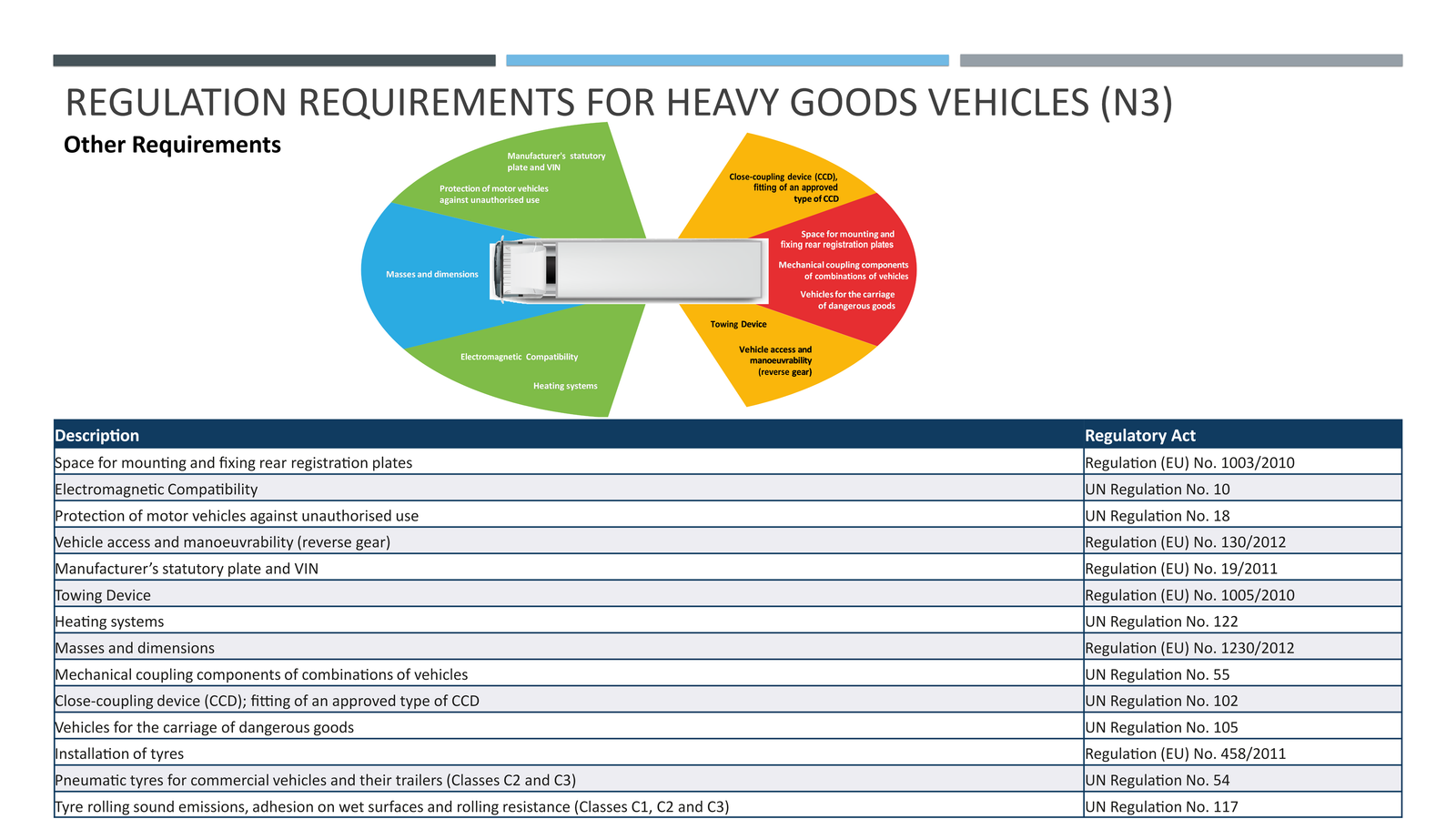
The ECE Regulations describe cross – border technical regulations for approval or the establishment of uniform approval procedures for motor vehicles and motor vehicle parts.
UN approvals apply within the scope of the relevant UN Regulations and the contracting parties that apply them. Vehicle category and system-specific requirements determine which approvals are needed.
Vehicle Classification
Category M covers passenger transport; category N covers goods transport. Seating configuration and maximum mass determine the subcategory.
Up to eight passenger seats in addition to the driver, with no standing passenger space.

More than eight passenger seats in addition to the driver, with a maximum mass of up to 5 tonnes.

More than eight passenger seats in addition to the driver, with a maximum mass above 5 tonnes.

Vehicles for carrying goods, with a maximum mass of up to 3.5 tonnes.
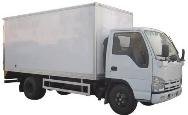
Vehicles for carrying goods, with a maximum mass above 3.5 tonnes and up to 12 tonnes.

Vehicles for carrying goods, with a maximum mass above 12 tonnes.
Family Homologation
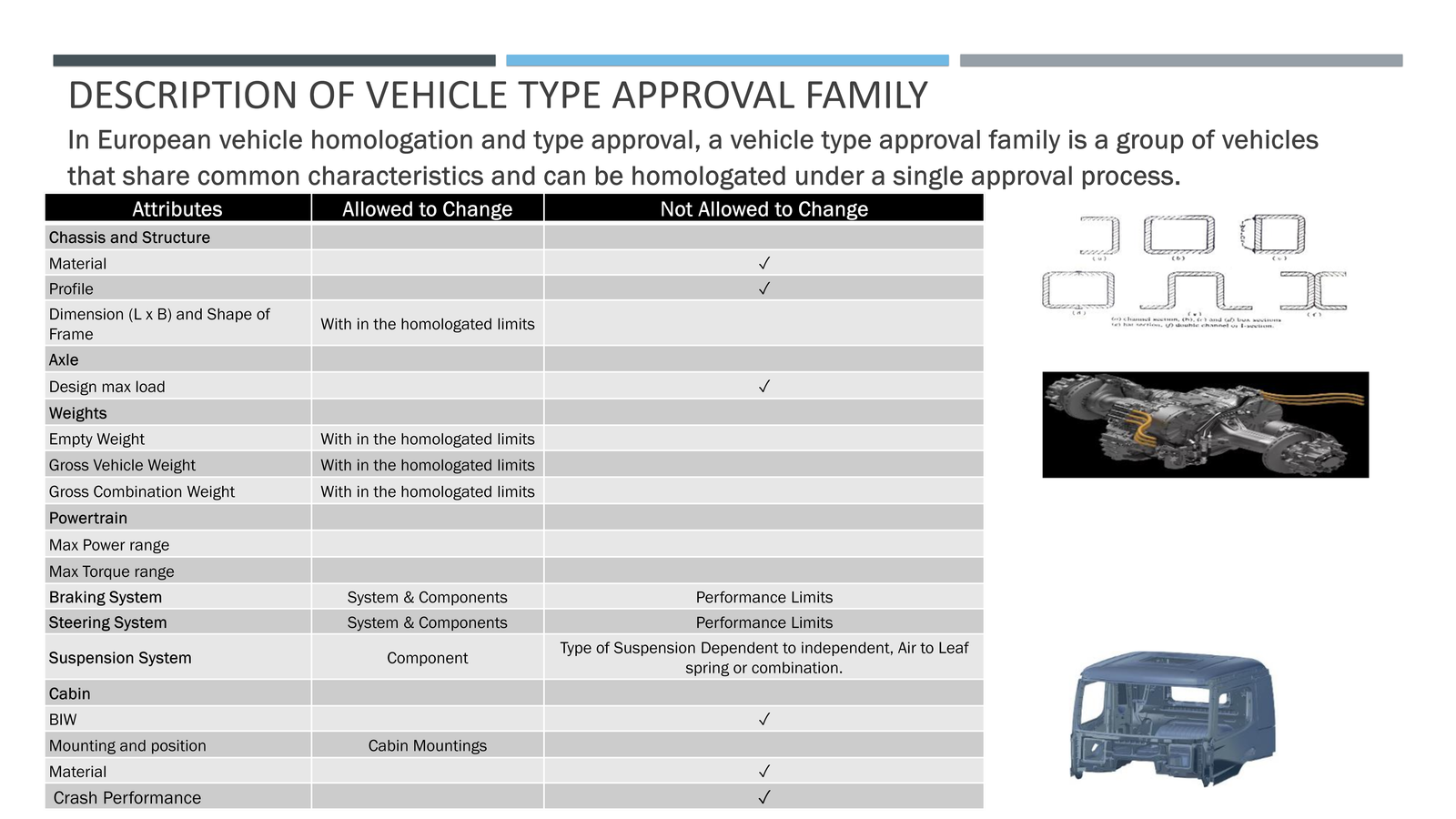
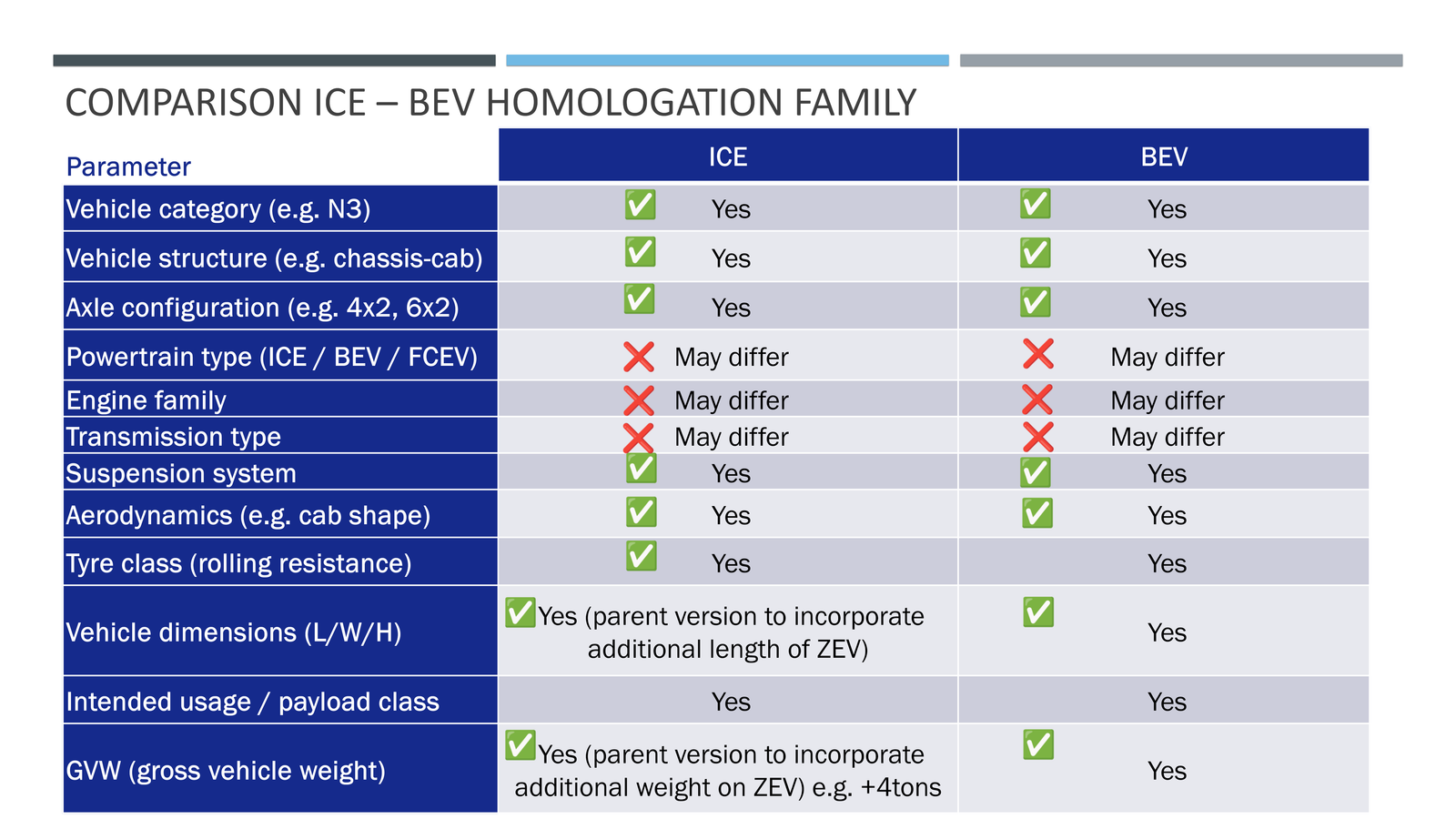
Related vehicles or engines may share approval evidence where the applicable rules allow it. Parent-vehicle selection and variant differences must be assessed within the relevant approval scope.
Review technical and functional similarities before selecting the parent vehicle.
Record the configuration of each proposed variant in a clear specification matrix.
Prepare the declaration and technical records needed for the approval review.
A design change is not automatically covered by an existing approval. It must be checked against the applicable type, variant, version and regulatory criteria.
Homologation Evidence
Homologation connects a vehicle's specification with the requirements of its destination market. Component and system evidence is brought together for the relevant whole-vehicle approval review.
The manufacturer prepares the technical information and demonstrates compliance. The approval authority reviews the application and issues the approval when the applicable requirements are met.
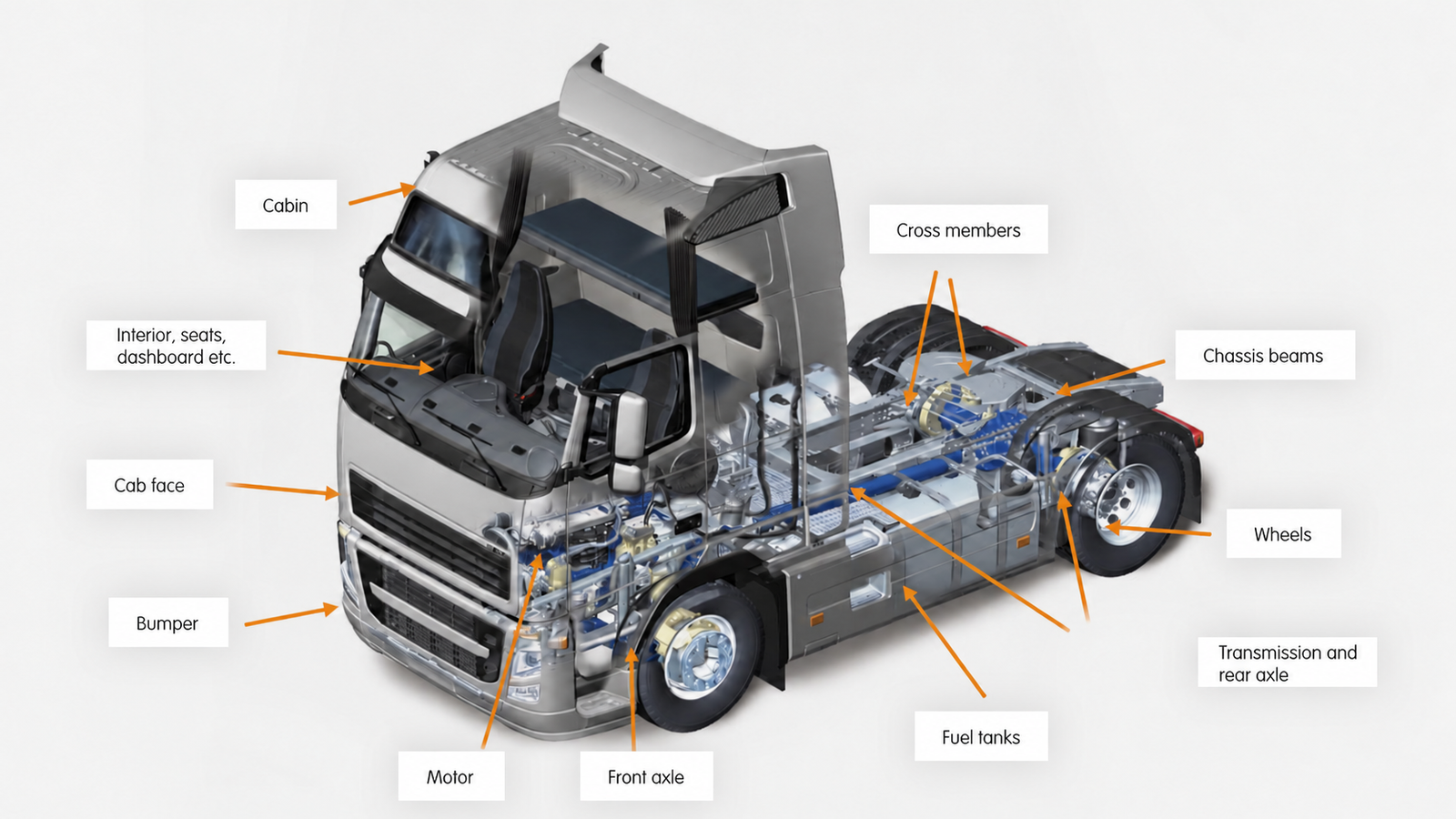
Document the test objectives, methods and results used to demonstrate compliance with applicable requirements.
Records the approval granted by the relevant authority for a defined vehicle type, system, component or separate technical unit.
Issued by the manufacturer for an individual vehicle covered by the applicable whole-vehicle approval, confirming that it conforms to the approved type.
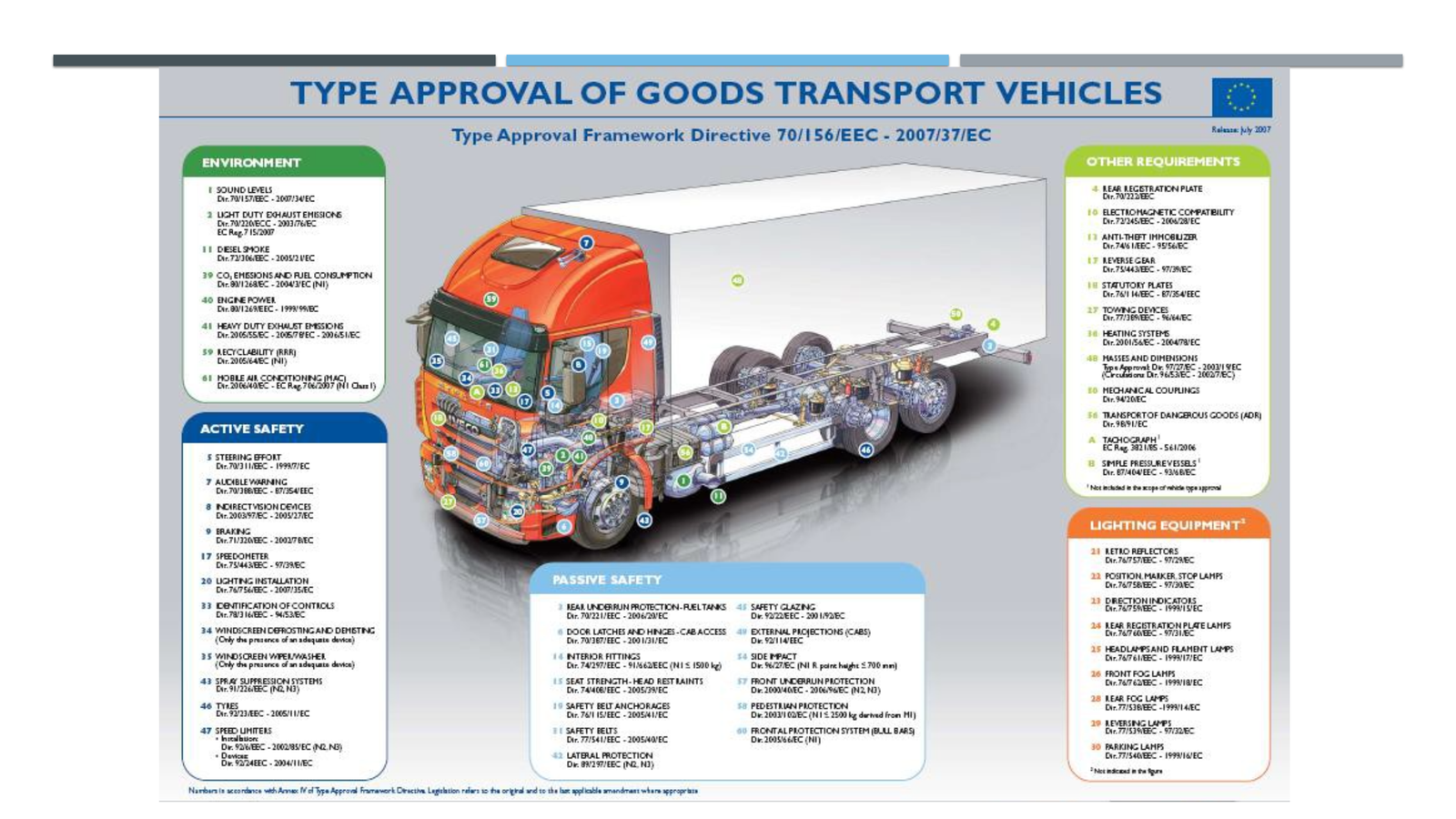
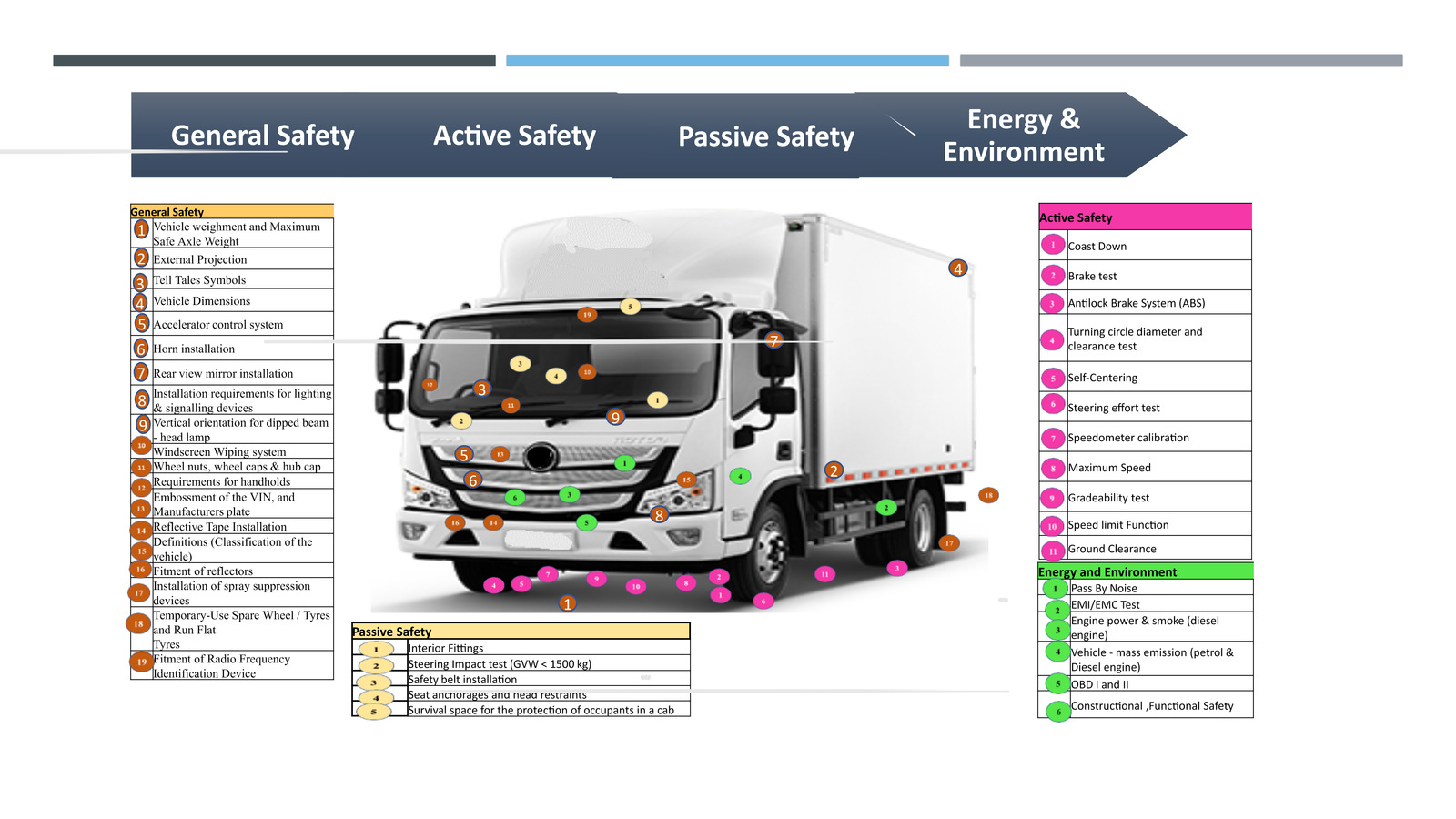
Scope
Clarify the approval scope for the product and target market.
Coordinate the evaluations needed for vehicles, components and systems.
Organize reports and supporting documentation for approval review.
Plan conformity-of-production checks and quality-control evidence.
Before Submission
ATS Poland can review regulation scope, test evidence and inspection gaps before your team commits to certificate timing.