

Applicable Directive Review
Identify the applicable CE or ECE route based on product type and market.

ATS helps companies achieve E-marking (ECE) and CE marking compliance for their products.
We guide you through the applicable regulations, scope, and technical requirements for your specific target markets, so your products can be placed on the market with confidence.

Each marking project starts by separating the E-marking route from the CE marking route, then matching the product to the correct ECE regulation, directive, standard, technical file and declaration requirement.

The CE mark and the E-mark are often confused because both are small symbols that show a product meets regulatory requirements. They serve different purposes, though. CE marking is a legal requirement for a wide range of products sold in the European Economic Area (EEA). The E-mark is an approval marking used only for road vehicles and their parts, issued under the United Nations Economic Commission for Europe (UNECE) framework.
By applying the CE mark, a manufacturer declares that the product meets the EU’s requirements for safety, health, and environmental protection.
It does not indicate superior quality.
CE marking works like a regulatory passport that allows a product to circulate in the EEA. It does not indicate superior quality, and it does not show where the product was made.
It applies to many product groups governed by EU harmonised legislation, including:





The route depends on the risk level of the product:
Lower-risk products: The manufacturer can assess conformity itself (self-certification).
Higher-risk products: A third-party Notified Body must carry out testing or audits.
In both cases, the manufacturer must prepare an EU Declaration of Conformity and keep a technical file as supporting evidence.

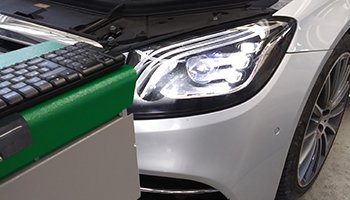

The number shows which country issued the approval.
The E-mark confirms that a vehicle, system, or separate technical component complies with UNECE regulations or the relevant EU automotive type-approval rules.
| Mark | Symbol | Linked to |
|---|---|---|
| E-mark | Capital E with a number inside a circle (e.g. E1 = Germany, E11 = United Kingdom) | UNECE regulations |
| e-mark | Lowercase e with a number inside a rectangle | EU road-vehicle legislation |

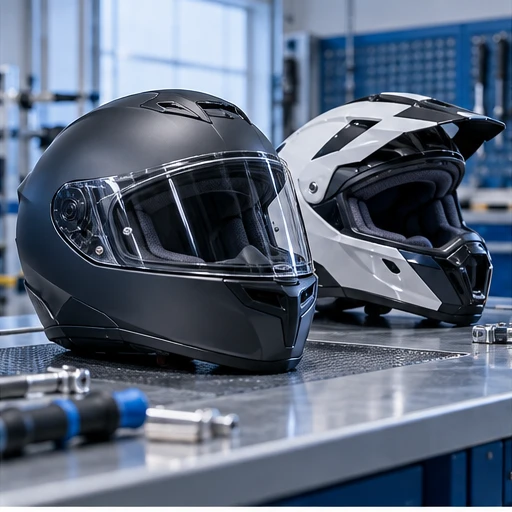
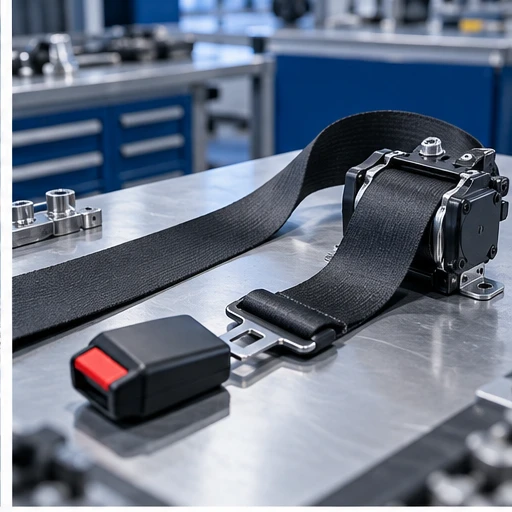
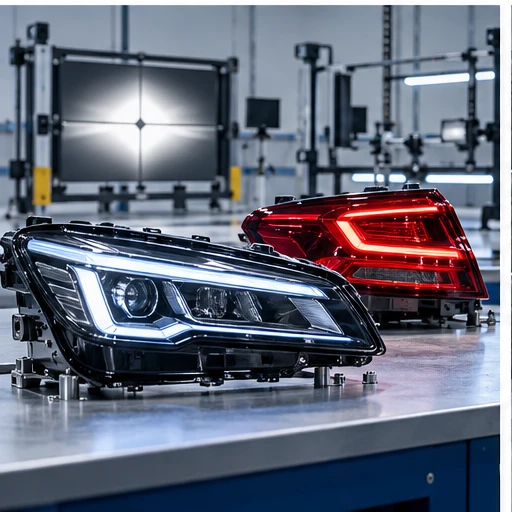
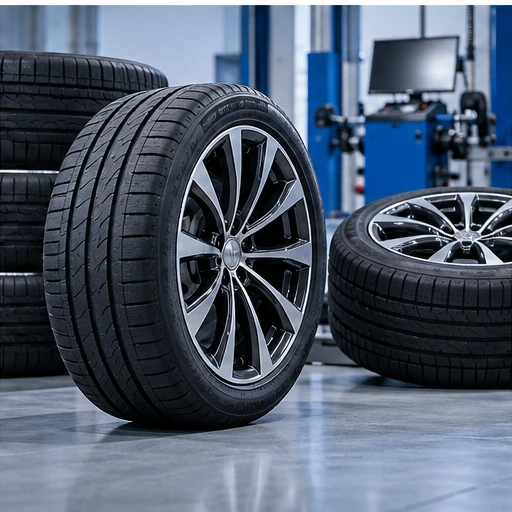
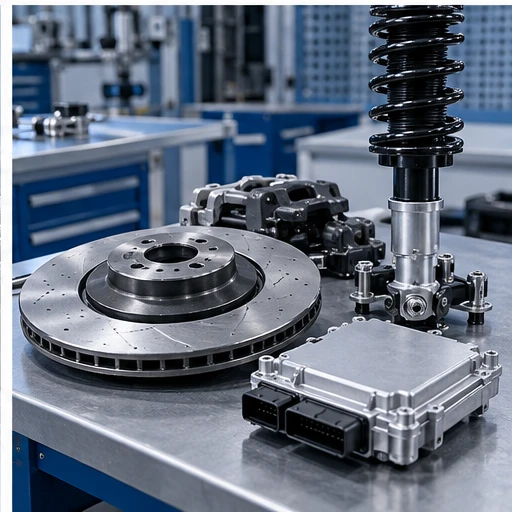
The E-mark is limited to the automotive sector, covering items such as:
If your product is general equipment such as electronics, machinery, or toys, you will most likely need CE marking. If it is a vehicle or a road-vehicle component, you will need an E-mark or e-mark.
Scope
Identify the applicable CE or ECE route based on product type and market.
Organize drawings, specifications, declarations and test evidence.
Map responsibilities, open evidence and assessment milestones.
Support the technical basis behind product marking decisions.
Need Approval Support?